
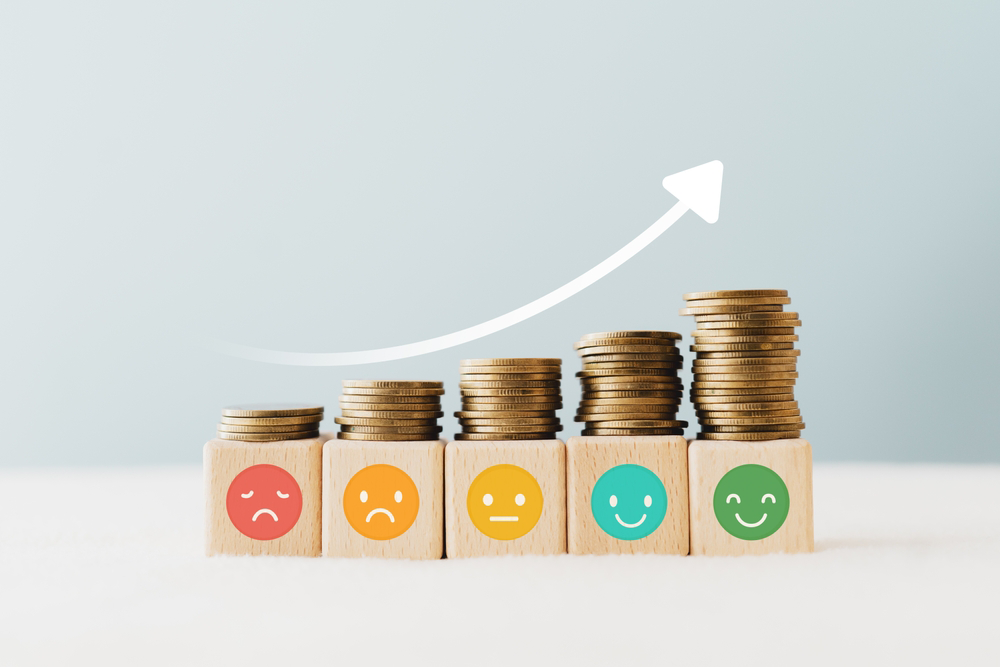

The relationship between debt payoff and credit score improvement isn’t as straightforward as many consumers believe. While eliminating debt generally benefits one’s financial health, its impact on credit scores can vary greatly based on multiple factors. Credit utilization, payment history, and the types of debt being paid off all play essential roles in determining how scores will respond. Understanding these nuances helps borrowers make strategic decisions that truly enhance their creditworthiness.
Understanding the Link Between Debt Payoff and Credit Scores
While paying off debt is generally positive for long-term financial health, its immediate impact on credit scores can be complex and sometimes counterintuitive.
When consumers pay off debt, several credit factors come into play simultaneously, affecting scores in different ways.
Paying off installment loans can temporarily reduce credit mix diversity, which lenders use to evaluate creditworthiness. Similarly, closing credit card accounts after payoff might decrease total available credit and shorten credit history length. Setting up timely payment reminders can help maintain good credit practices after paying off debt.
However, reducing credit card balances typically improves the utilization ratio, a key factor in credit scoring. Your payment history matters most, accounting for 35% of your overall credit score. Regular monitoring through free Equifax reports can help track these changes.
Most consumers see their scores stabilize or improve within 30 to 45 days after debt payoff, once credit reports update.
Maintaining open accounts and continuing responsible payment habits helps minimize any temporary negative effects while maximizing long-term benefits.
The Science Behind Credit Utilization and Score Improvements
Credit utilization stands as a cornerstone metric in determining credit scores, accounting for 30% of the FICO calculation. This ratio reflects the percentage of available credit being used across revolving accounts, serving as a key predictor of financial behavior and payment reliability.
Research shows that borrowers maintaining lower utilization ratios demonstrate stronger creditworthiness, as they’re less likely to miss payments or experience financial distress. Experts recommend keeping utilization at below 30 percent for optimal credit health. Regular payments help maintain healthy credit utilization ratios and strengthen overall financial management. Increasing your credit limits through responsible requests can help achieve lower utilization rates.
Modern scoring models like VantageScore 4.0 and FICO 10 T analyze utilization patterns over time, rewarding consistent low usage with higher scores. When utilization drops, particularly below 30%, credit scores tend to improve, reflecting reduced lending risk.
This scientific approach to credit scoring explains why reducing debt balances can lead to meaningful score improvements, especially when utilization is actively managed before statement closing dates.
How Fast Will Your Credit Score Change After Paying Debt?
After paying off debt, consumers often enthusiastically anticipate improvements in their credit scores, yet the timeline for these changes varies considerably.
Most credit scores take 30 to 60 days to reflect improvements, as creditors typically update credit bureaus monthly.
While some positive effects may appear within one to two months, particularly with credit card payoffs, significant score increases might require several months to materialize.
Setting up automated payments can help maintain consistent payment schedules and prevent missed payments during the transition period.
Paying off revolving credit accounts like credit cards can quickly improve scores since credit utilization ratio plays a major role in credit scoring.
Initially, scores may temporarily dip due to changes in credit mix or account closures. The speed of improvement depends on factors like debt type, whether accounts remain open, and ongoing payment history. Making on-time payments consistently is crucial, as payment history accounts for 35% of your credit score.
Recovery and meaningful score improvements generally occur within 1 to 3 months post-payoff, provided positive financial habits continue.
Understanding these timeframes helps set realistic expectations while maintaining focus on long-term credit health.
Strategic Approaches to Paying Off Debt for Maximum Impact
To maximize the impact of debt repayment efforts, consumers can employ several proven strategies that accelerate progress and optimize credit score improvements.
The debt avalanche method targets high-interest balances first, minimizing total interest paid, while the snowball method builds momentum through quick wins on smaller debts. Both approaches maintain minimum payments on other obligations while focusing extra funds on priority debts.
Debt consolidation offers another powerful solution, combining multiple debts into a single loan with potentially lower interest rates. Balance transfer credit cards with 0% introductory rates can provide temporary relief from interest charges.
Additionally, directing extra income and windfalls toward debt reduction accelerates progress. Implementing automated payments and maintaining a diverse credit mix throughout the process helps guarantee consistent improvement in credit scores. Setting up automatic transfers helps ensure payments are never missed while maintaining organization in the debt repayment journey.
Why Some Debts Matter More Than Others for Your Score
Understanding why certain debts carry more weight in credit scoring reveals critical insights for consumers managing their financial health. The impact varies considerably between revolving and installment debt, with credit card balances playing a more substantial role in determining credit scores.
Credit utilization on revolving accounts emerges as a key factor, accounting for a notable portion of the “amounts owed” category that makes up 30% of FICO scores.
While installment loans like mortgages and car payments matter, they generally have less impact on scores than revolving debt. This difference occurs because high credit card utilization can signal potential financial stress, while installment debt typically follows a structured payment plan.
For ideal credit scores, consumers should prioritize keeping credit card utilization below 30% while maintaining regular payments on all debt types.
Collections Accounts: Special Considerations and Effects
When collections accounts appear on credit reports, they can markedly impact credit scores, potentially causing drops of up to 100 points under the payment history category, which comprises 35% of most scoring models.
Recent credit scoring models, including FICO® 9 and 10 and VantageScore 3.0 and 4.0, now ignore paid collections, offering hope for score improvement after settlement.
Medical collections receive special treatment, with paid medical collections and those under $500 no longer reported by major credit bureaus.
Additionally, medical collections less than one year old are excluded from credit reports. However, non-medical collections, such as credit card debt, typically have a harsher impact on scores.
Collection accounts remain on credit reports for seven years from the first missed payment, though their impact diminishes over time.
Maintaining Credit Health While Eliminating Debt
Balancing credit health while paying off debt requires careful attention to multiple factors that influence credit scores. While debt elimination generally improves credit scores in the long term, certain payoff strategies can temporarily impact scores negatively.
Maintaining open credit accounts with zero balances helps preserve credit history length and keeps utilization ratios low. Consumers should aim to keep credit utilization below 30% by strategically managing their available credit during the debt payoff process. Closing old accounts can inadvertently shorten credit history and increase utilization ratios, potentially lowering scores.
Consistent, on-time payments remain essential throughout the debt elimination journey. Those following debt management plans often see significant score improvements, with average increases of 62-82 points over two to four years.
Common Mistakes to Avoid During Debt Payoff
Successfully paying off debt requires avoiding several critical missteps that could derail progress and damage credit scores. Late payments can reduce scores by up to 83 points and remain visible for seven years, making timely payments essential.
Closing credit cards prematurely can harm credit history length and utilization ratios. Attempting to tackle multiple debts simultaneously often leads to overwhelm and missed payments. Instead, consumers should focus on strategic approaches like the snowball or avalanche methods.
Making only minimum payments extends debt repayment and keeps utilization rates high, while consolidation mistakes can spike utilization on individual cards. To maintain credit health during debt payoff, borrowers should keep older accounts open, maintain utilization below 30%, and prioritize high-interest debts while monitoring credit reports regularly.
Building Long-Term Credit Excellence Through Debt Management
Building lasting credit excellence through strategic debt management offers consumers a proven path to financial stability and higher credit scores.
Combining credit counseling with a Debt Management Plan (DMP) has demonstrated remarkable results, with participants experiencing average credit score improvements of 62 points after two years and up to 82 points over four years.
The structured approach of DMPs, coupled with professional guidance, creates sustainable credit improvements that can persist for up to five years.
This success stems from addressing multiple credit scoring factors simultaneously – reducing credit utilization, establishing consistent payment histories, and decreasing overall debt load.
The data shows that consumers who commit to DMPs typically see their scores rise from 590 to 672, reflecting the powerful impact of disciplined debt management on long-term credit health.
Smart Debt Reduction Strategies That Boost Your Score
Strategic debt reduction demands a calculated approach to maximize credit score improvement while minimizing financial strain.
Successful strategies include the debt avalanche method, targeting highest-interest debts first, and the debt snowball method, which builds momentum by eliminating smaller balances.
Both approaches require maintaining minimum payments across all debts while focusing extra funds strategically. A well-structured budget guarantees consistent payments, preserving credit health through reliable payment history.
Regular credit report monitoring helps track progress and adjust strategies as needed.
For those seeking additional support, debt management plans and consolidation loans can provide structured solutions.
These options often feature lower interest rates and simplified payment schedules, potentially accelerating debt elimination while improving credit utilization ratios – a key factor in credit scoring.
In Conclusion
While paying off debt typically improves credit scores, the relationship isn’t always linear. Success depends on strategic debt management, maintaining appropriate credit utilization, and avoiding common pitfalls during the payoff process. By understanding how different debts impact credit scores and implementing smart reduction strategies, consumers can effectively eliminate debt while building stronger creditworthiness over time.
References
- https://www.jgwentworth.com/resources/does-paying-off-credit-card-debt-improve-your-score
- https://www.experian.com/blogs/ask-experian/how-long-after-you-pay-off-debt-does-your-credit-improve/
- https://www.equifax.com/personal/education/credit/score/articles/-/learn/why-credit-scores-may-drop-after-paying-off-debt/
- https://www.capitalone.com/learn-grow/money-management/does-paying-off-collections-improve-credit-score/
- https://www.experian.com/blogs/ask-experian/what-debt-to-pay-off-first-to-raise-credit-score/
- https://www.finra.org/investors/personal-finance/how-your-credit-score-impacts-your-financial-future
- https://myzing.com/about/blog/credit/how-paying-off-debt-can-affect-your-credit-scores/
- https://www.sccu.com/articles/personal-finance/does-paying-off-loans-early-hurt-your-credit
- https://www.myfico.com/credit-education/credit-scores/amount-of-debt
- https://www.bankrate.com/credit-cards/advice/credit-utilization-ratio/